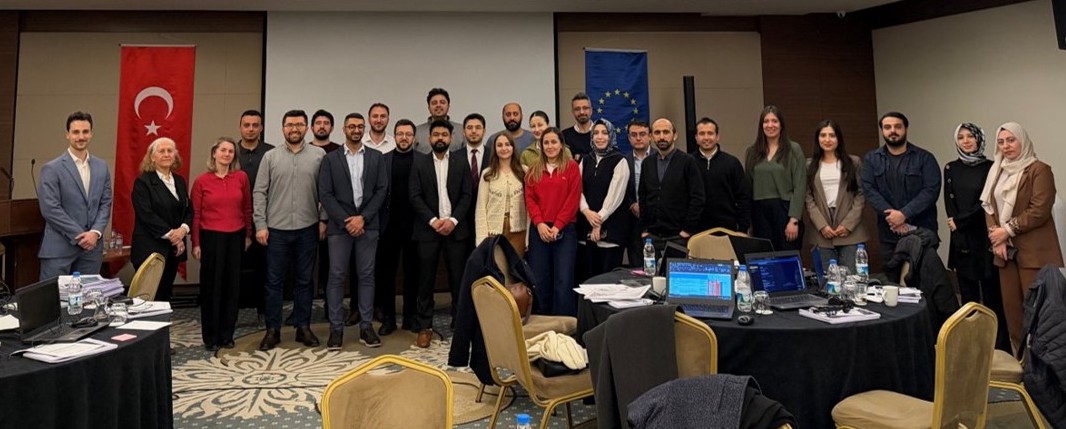
It was a genuinely rewarding experience. Bringing together engineers, policymakers, and technical experts in one room created the perfect environment for meaningful discussion, not just about what AI could do, but how it can be applied in real-world transport systems today. These are exactly the kinds of engagements that highlight the tangible impact of this work when it’s done right.
Over the two days, we explored how AI and data analytics are reshaping the transport sector, from improving safety outcomes to optimising infrastructure and enabling more efficient operations. We shared insights from TRL’s work with the UK Department for Transport, particularly around overcoming common barriers to AI adoption, whether that’s data quality, organisational readiness, or aligning innovation with policy and governance frameworks.
We delivered this workshop by demonstrating of some of TRL’s technologies in action, including UTC powered SCOOT8 AI, showing how intelligent traffic systems are already delivering measurable improvements in real-world environments. But What stood out most wasn’t the technology itself, it was the reaction to it. We also facilitated World Café-style activities designed to stimulate discussion around the challenges of adopting AI in transport, as well as the strategic opportunities that need to be considered and incorporated to overcome these barriers.
There is a strong appetite for practical, usable solutions.
The most engaging moments weren’t the theoretical discussions or high-level frameworks. They were the examples; discussing how AI can detect potholes from imagery sparked immediate conversations about maintenance efficiencies. Demonstrating how traffic patterns can be predicted in real time opened up discussions around congestion management and emissions reduction. Exploring how better use of data can shift decision-making from reactive to proactive resonated strongly with both engineers and policymakers alike.
We also spent time exploring hands-on AI agents and how they can be used to rapidly design and prototype solutions for day-to-day challenges. This brought a different level of energy into the room. It made AI feel accessible, not as something abstract or future-focused, but as a practical tool that can support everyday decision-making right now.
One key point we shared during our training is AI in transport only creates value when it is grounded in real problems, real data, and real decisions. Without that grounding, it remains theoretical. With it, it becomes transformative.
At TRL, we’ve spent decades working at the intersection of transport, technology, and policy. That combination of technical depth and practical credibility is essential when supporting governments as they navigate complex decisions around innovation and AI adoption.
It’s exciting to see the momentum building in Türkiye, and I’m looking forward to seeing how these conversations translate into tangible progress as the country continues to advance its net zero strategy.
A big thank you to the organisers and all participants for the discussions, questions, and insights shared over the two days.
To read our work on breaking down barriers in AI from the Department for Transport click
Or drop us a line at enquires@trl.co.uk to find out how TRL can help with your AI strategy