By Tony Mathew
Modernising the Management of One of the World’s Largest Rural Road Networks
Bangladesh manages one of the largest and most socially critical rural road networks in the world. The Local Government Engineering Department (LGED) is responsible for approximately 350,000 km of rural roads together with thousands of bridges, culverts and community access assets that support economic activity, education, healthcare access and climate resilience across the country.
Managing infrastructure at this scale presents a significant challenge. Historically, asset information was distributed across multiple systems and formats, making it difficult to prioritise investments, optimise maintenance expenditure, or systematically incorporate climate risk into planning decisions.
To address this, LGED, with support from the World Bank, initiated the deployment of a digital road asset management system based on TRL’s iROADS platform. The objective was clear: transition from reactive maintenance practices towards data-driven, risk-based and lifecycle-optimised infrastructure management.
Accelerated Implementation Through Collaborative Delivery
The project commenced in August 2025 with a structured implementation approach jointly led by LGED and supported by TRL and project partners.
Initial operational commissioning of the system was achieved on 29th December 2025, significantly ahead of the planned implementation schedule, demonstrating the effectiveness of close institutional collaboration, rapid decision-making and strong client ownership.
Rather than a purely technical deployment, the programme combined system configuration, data integration and institutional capacity development to ensure sustainable adoption within LGED operations.
System Deployment and Capacity Development
Within the initial implementation phase, the programme delivered:
· Deployment of the iROADS central asset management platform
· Rollout of the mobile field data collection application for engineers
· Structured migration and validation of legacy asset records
· Configuration aligned to LGED asset classification and workflows
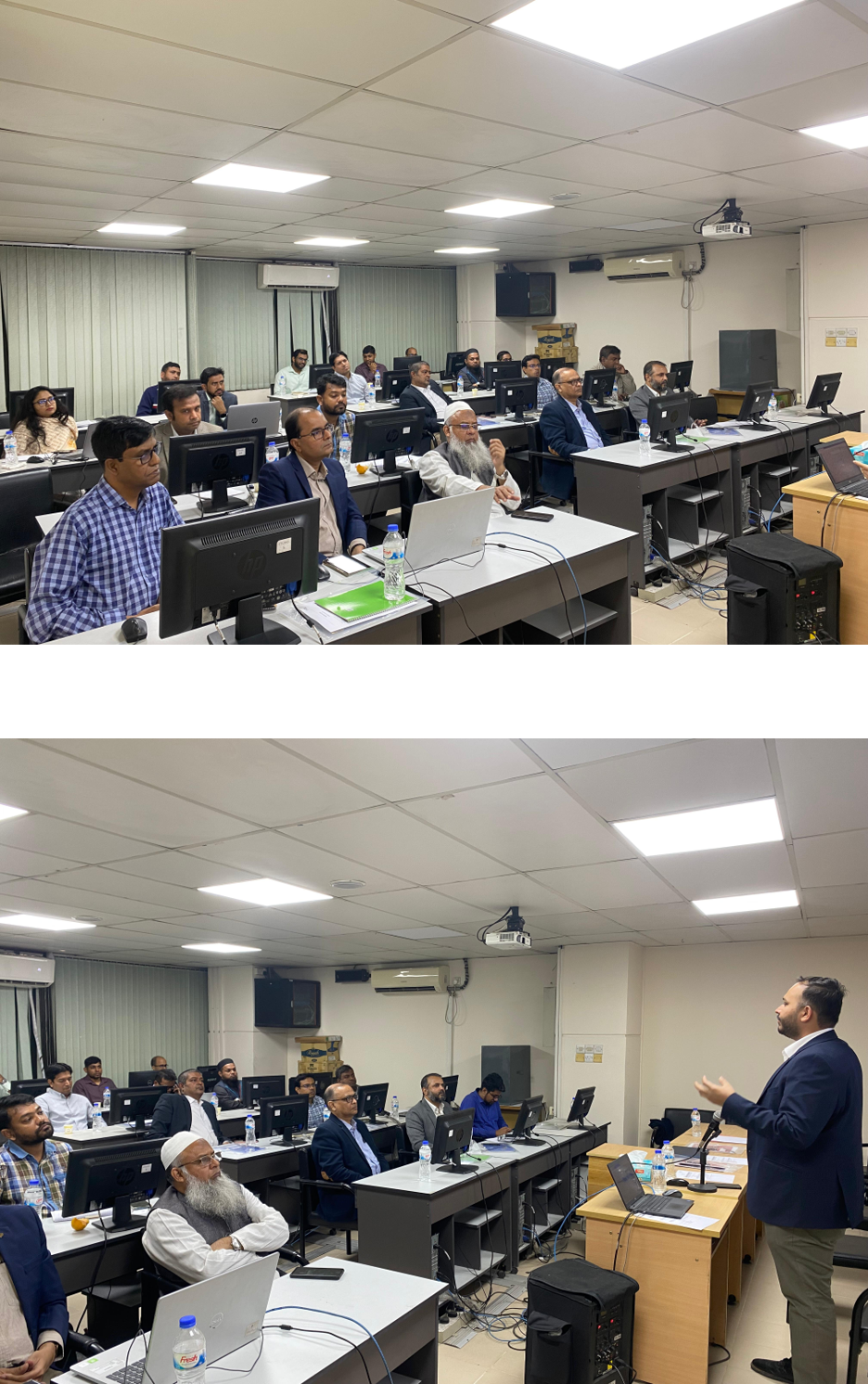
· Training programmes for engineering, planning and supervisory staff
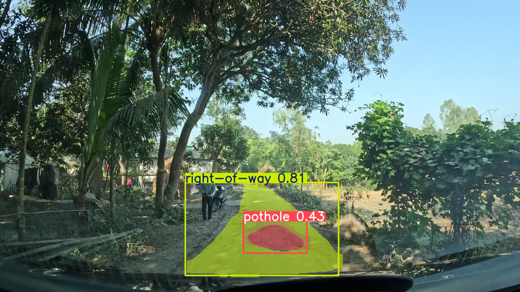
The mobile application enables field engineers to directly capture and update asset inventory and condition information, improving data accuracy and significantly reducing reporting delays between field observations and planning decisions.
Scale of the Digital Asset Inventory
The platform now maintains a unified national infrastructure dataset including:
· 350,000 km of road network
· 15,280 bridges
· 99,000 culverts
· 12,500 growth centres
· 208,000 social infrastructure assets
For the first time, LGED has a consolidated, continuously updateable digital view of its infrastructure network within a single system environment.
From Reactive Maintenance to Lifecycle Management
The implementation establishes the foundation for modern asset management practices, including condition-based maintenance planning, risk-based prioritisation, budget optimisation scenarios, deterioration modelling, climate vulnerability assessment support, and transparent investment justification. This transition enables LGED to align infrastructure investment decisions with service outcomes, improving network reliability, strengthening climate resilience, and supporting more efficient use of public funds.
Institutional Strengthening and Sustainability
A key focus of the programme has been ensuring long-term sustainability within LGED rather than dependence on external technical support. Training and operational integration were therefore delivered alongside system implementation so that planning and maintenance teams can directly use the platform in routine workflows.
This approach supports institutional ownership and embeds asset management practices into everyday decision-making processes.
Supporting Bangladesh’s Wider Transport Modernisation
The iROADS deployment forms part of a broader programme of transport sector modernisation in Bangladesh, including road safety, crash data systems and institutional strengthening initiatives supported by development partners.
Together, these initiatives demonstrate how digital tools, when combined with organisational capacity development, can significantly improve infrastructure governance and service delivery in rapidly developing economies.
Looking Ahead
The operational deployment represents the beginning of a longer transformation. Future phases will focus on deeper integration with planning, budgeting and climate resilience frameworks, enabling LGED to progressively evolve towards fully evidence-based infrastructure management.
Bangladesh’s experience provides a strong example of how large-scale rural road authorities can modernise asset management practices in a practical and scalable manner, delivering tangible benefits for communities that depend on reliable access infrastructure every day.
In use around the world, iROADS is the ideal road network asset management platform for local and national transport authorities, if you would like to know more about iROADS or to arrange a demonstration drop us a line at enquires@trl.co.uk .