The Government of Uganda, through the Ministry of Works and Transport and with World Bank support under the preparation of the Uganda Rural Roads Program, is taking a more structured approach to investment in the District, Urban and Community Access Roads (DUCAR) network. The work aligns with the Fourth National Development Plan (NDP IV), 2025/26–2029/30, which places strong emphasis on infrastructure as an enabler of productivity, inclusion, and economic transformation.
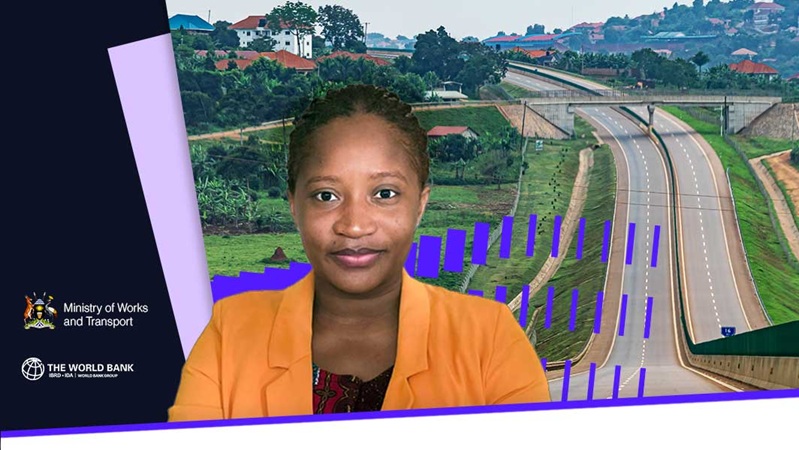
The DUCAR network is fundamental to everyday movement and economic activity. It connects rural communities to markets, schools, health facilities and administrative centres, yet large parts of the network are in poor condition and remain vulnerable to seasonal disruption and the effects of climate stress. The network under consideration is approximately 85,000 km of roads, together with around 800 bridges and related drainage structures, across 77 District Local Governments.
TRL is currently leading the pre-feasibility stage of this project, in a Joint Venture with ATRO E&M, and Teclab Limited in Uganda. We are helping to identify which roads, bridges, swamp crossings and related structures should be prioritised first and, the basis on which those decisions should be made. This will be followed by condition and topographical surveys by ATRO E&M, and geotechnical investigations by Teclab Limited. Working with MoWT, the team is applying transparent, evidence-based process built on geographic, social, economic and environmental data, supported by a structured prioritisation framework. We recognise that data alone is not enough, so this project includes engagement at the district level to ensure that local knowledge and practical realities inform the final output.
For me, one of the most encouraging features of the project is its emphasis on sustainability. Knowledge transfer has been built in from the outset. Ministry, and District staff are being trained and exposed to the process itself, including field data collection, validation, GIS-based inventory work, the application of the prioritisation framework, and introduction to road asset management systems. The intention is that, over time, these methods can be understood, reused and strengthened locally, long after the project has ended.
It is an exciting project to be part of, and one we are proud to support.
At TRL, this has been a real team effort with Dr Andrew Otto, Ching-Yi Chen, Bob Smith, Jeffrey Owusu, Warsame Mohammed, and Dr Robin Workman.
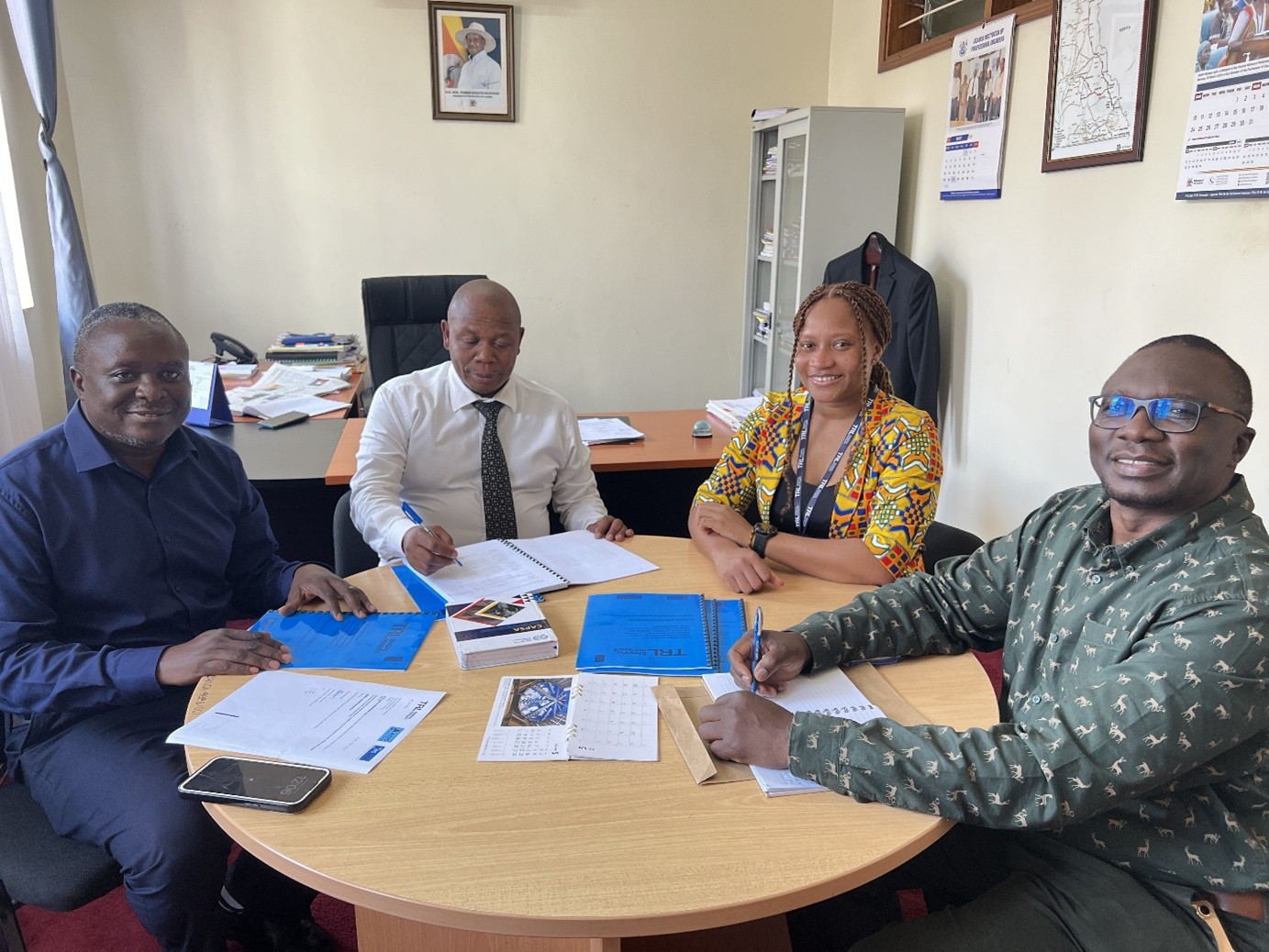
We met with Eng Emmanuel Twinamatsiko, Assistant Commissioner DCR, and Eng Jackson Okitoi, Training Engineer at the Ministry of Works and Transport, Uganda to submit the initial prioritised list and training plan, and to discuss the next stages of the project.
TRL supports transports departments, local and national governments across the globe with their road safety research and innovations, to find out how we can support make your road network safer drop us a line at enquiries@trl.co.uk
To read Angela's blog regarding work TRL is also doing in Zambia click here